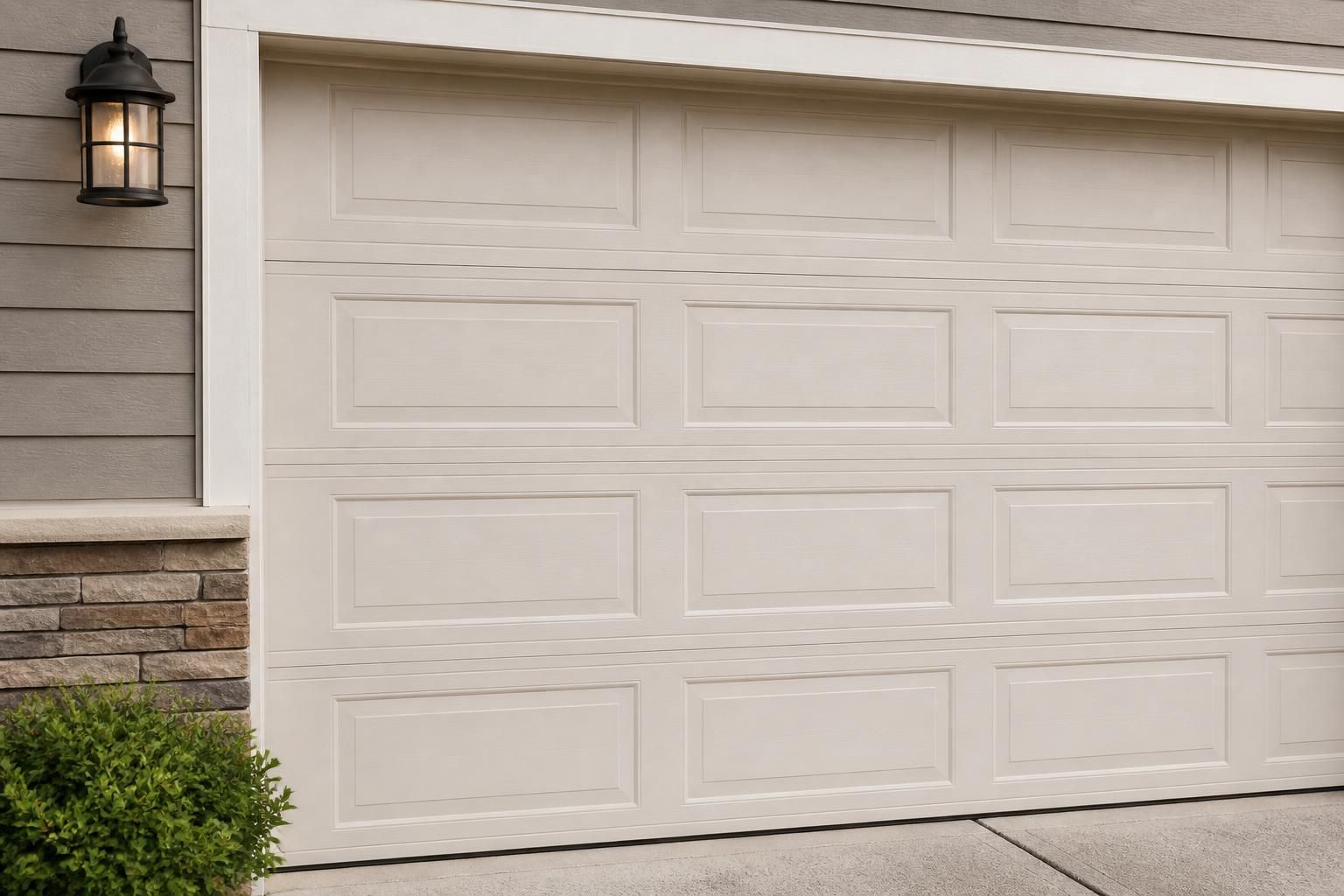
If your garage door is stuck halfway, sagging on one side, or making a sudden grinding noise, the problem is usually easy to notice and hard to ignore. A door that hesitates, shakes, or stops before it should can make everyday routines slower and leave you unsure what failed first.
Normal Package Test Garage Door helps homeowners across Raleigh, NC get a clear repair plan for doors that are off track, worn out, or simply not opening the way they should. We look at the visible symptoms, trace them back to the likely cause, and handle the repair with the right parts and a careful approach.
Garage door trouble usually shows itself before the door stops working entirely. Paying attention early can keep a small issue from turning into a bigger one that affects the opener, tracks, or springs.
If you notice one of these issues, it is worth having the door checked before you keep forcing it through normal use.
Garage door repair is rarely about one loose bolt. Most problems show up across several parts at once, so we inspect the full system before starting work. That helps us avoid replacing the wrong component and gives you a clearer picture of what actually needs attention.
We watch how the door starts, travels, and settles. A door that jerks, leans, or rattles can point to track trouble, roller wear, or a balance issue.
Loose hinges, worn rollers, damaged brackets, and shifted fasteners can all change how the door moves. Small hardware problems often create noise first, then larger movement problems later.
Sometimes the opener is not the root problem, but it still reacts to the door’s condition. If the door binds or feels heavy, the opener may strain or stop before finishing the cycle.
Springs carry a major share of the door’s weight. When they wear out or lose tension, the door can feel unbalanced and difficult to move.
Each garage door repair starts with the actual condition of the door, not a preset fix. Some doors need one worn part replaced, while others need a few adjustments to restore safe, smooth movement.
If the door has shifted out of line or the rollers are fighting the track, we adjust the path so the door can travel evenly again.
Damaged hinges, rollers, brackets, or other worn pieces can be replaced to reduce noise and restore steady motion.
When a panel is bent or visibly damaged, we assess whether repair or replacement is the better fit for the door’s condition.
If the door feels heavy or will not stay balanced, spring replacement may be the repair that brings the system back into working order.
When an old opener is the part holding the system back, opener installation can solve repeated starting and stopping problems.
Normal Package Test Garage Door focuses on the repair that matches the issue, not a longer list of parts than the job needs.
Homeowners often want to know what happens after they call. The process is straightforward, and it starts with listening to the symptoms you have noticed.
Tell us what the door is doing, what it sounds like, and whether the issue began suddenly or over time.
We examine the hardware, balance, movement, and visible wear points so we can narrow the cause.
We walk through what needs attention and what repair steps make sense for the door.
Once the issue is identified, we carry out the work and check the door through a full cycle of movement.
We confirm that the door opens and closes with less strain, less noise, and better balance.
That process keeps the repair focused and gives you a better understanding of what changed.
A garage door that is loud or sticky is trying to tell you something. Noise does not always mean a major failure, but it usually means parts are rubbing, wearing, or moving under stress.
Rattling can point to loose hardware. Squeaking may come from worn rollers or dry contact points. Grinding often suggests a more serious alignment or part wear concern.
A door may stick when the track is out of line, the rollers are worn, or the springs no longer support the door evenly. The opener may still try to move it, but the resistance creates more strain.
If the noise is new or the sticking is getting worse, it is smart to stop guessing and have the door checked.
Spring problems are one of the clearest reasons a garage door feels wrong. A door that used to lift with ease may suddenly feel heavy, unbalanced, or difficult to move by hand.
Common spring-related symptoms include:
When the springs are no longer doing their share, the whole door system feels harder to manage. In many cases, spring replacement is the repair that brings the door back to a manageable state.
We provide garage door repair for homeowners across Raleigh, NC, as well as nearby Cary, NC and Wake Forest, NC. If your door is noisy, jammed, or showing visible wear, we can help you sort out the problem and get it moving again.
Normal Package Test Garage Door works from 810 Test Bay Ave, Raleigh, NC 27604. If you want to call ahead, reach us at +15555550133 or email contact@boldslate.com during Monday through Friday, 8:00 AM-5:00 PM.
Garage door repair is often about timing. A door that still opens today may be telling you that a roller is wearing out, a hinge is loosening, or a spring is losing support. Handling those signs early can keep the door easier to use and reduce strain on other parts.
If you have already tried basic troubleshooting and the issue keeps returning, the safest next step is a direct inspection. That is especially true when the door looks uneven, feels heavier than usual, or makes a sound you have not heard before.
Normal Package Test Garage Door keeps the process simple: identify the issue, explain the repair, and restore the door’s movement with attention to the parts that matter most.
This often happens when the springs are weak, the tracks are misaligned, or the door is meeting resistance from worn hardware. The opener may stop because the door is too hard to move.
Noise usually comes from wear at the rollers, hinges, tracks, or fasteners. A louder door is often a sign that one or more parts need attention before they wear further.
Yes, many crooked doors can be repaired after the cause is found. The issue may involve balance, track alignment, or damaged hardware that is affecting one side more than the other.
If the door feels unusually heavy, moves unevenly, or will not stay balanced, the springs may be involved. A direct inspection is the best way to confirm it.
No. Sometimes the opener is reacting to a door problem rather than causing it. If the door is out of balance or binding, the opener may seem faulty even when the door is the real issue.
Tell us whether the door is stuck, noisy, crooked, heavy, or stopping partway. Any details about when the problem started can help narrow the cause faster.
Get Started
Tell us what is happening with your garage door, opener, or springs. We will help you take the next step and get the right service scheduled.